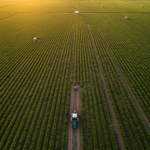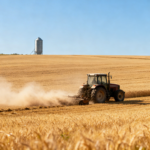

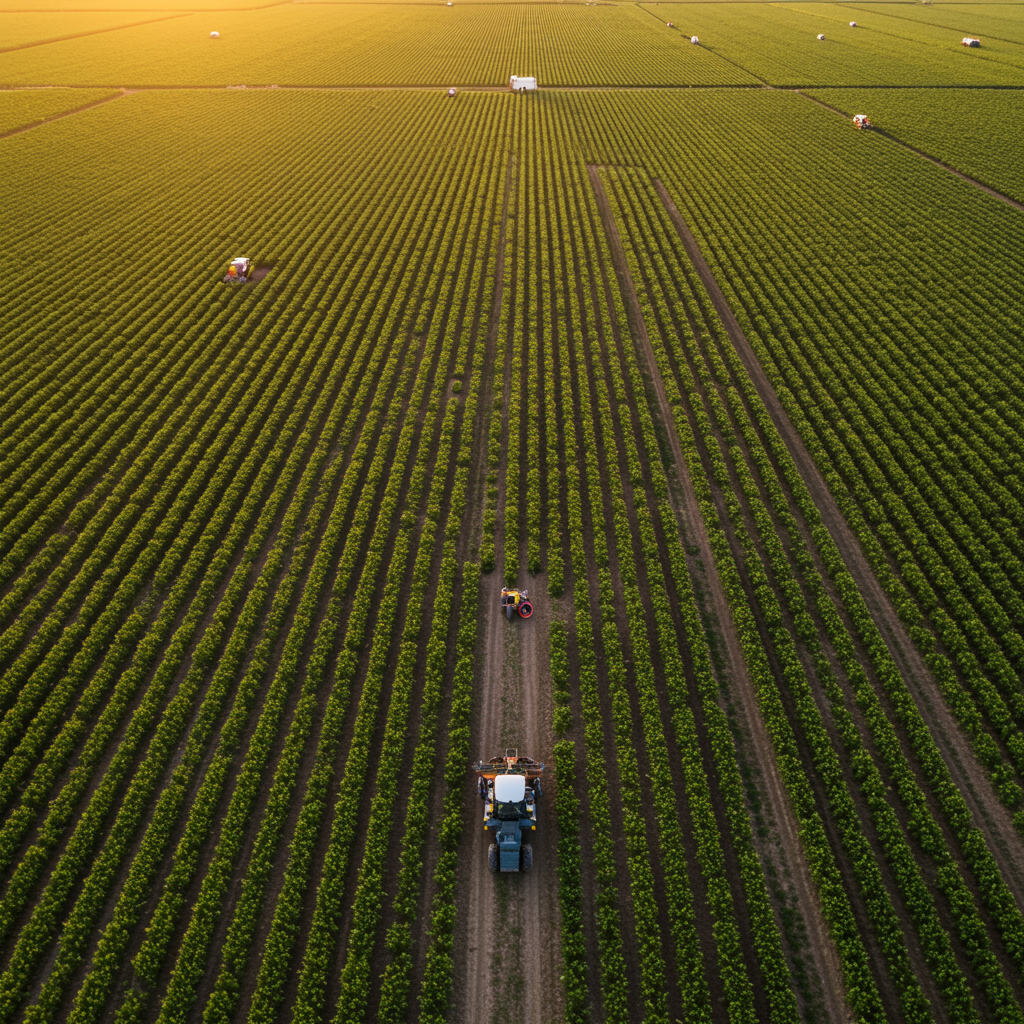
You might think careers in agriculture only involve planting seeds and driving tractors. This massive industry actually offers countless diverse paths for ambitious individuals. We will show you how modern farming connects with technology, science, and global business.
Why You Should Consider An Agricultural Profession
The world population continues to grow at a rapid pace every single year. Farmers must produce more food using fewer natural resources to keep everyone fed. This global challenge creates massive job security for people entering the agricultural sector today.
You get the unique chance to solve real global problems every single day. Professionals in this field protect our environment while feeding local communities safely. The hard work you do directly impacts human survival and overall public health.
Many people find deep personal satisfaction in working directly with nature and land. You escape the traditional office cubicle and spend valuable time outdoors. The farming industry rewards dedication with tangible and highly visible results.
Technology And Engineering Positions
Modern farms operate exactly like high-tech manufacturing facilities. Software programs and advanced machinery drive massive crop yields across the globe. Technology enthusiasts find incredible career opportunities within this growing sector.
Precision Agriculture Technologist
These specialists map out massive fields using advanced satellite imagery and software. They program automated tractors to plant seeds with extreme accuracy. This precision saves farmers money and protects the soil from chemical overload.
You spend your mornings analyzing weather data on a computer screen. Then you head into the field to calibrate automated machinery for the day. This role requires a strong understanding of both computer software and crop science.
Agricultural Equipment Engineer
Engineers design the complex equipment that makes modern farming completely possible. They build better irrigation systems to conserve millions of gallons of fresh water. They also create specialized storage facilities that keep grain fresh for many months.
You test new machinery prototypes under harsh and unpredictable weather conditions. The ultimate goal is to make equipment safer and more efficient for farm workers. A college degree in mechanical or civil engineering provides the perfect foundation here.
Drone Flight Operator
Drones give farmers a quick overhead view of their massive land properties. Operators fly these devices to spot early signs of destructive plant disease. They identify specific dry spots that need immediate watering from the irrigation system.
You must secure a commercial drone license to perform this job legally. The work requires excellent hand-eye coordination and strong spatial awareness. Tech-savvy students easily transition into these highly demanded aviation roles.
Science And Research Opportunities
Farming relies heavily on complex biological and chemical sciences to succeed. Researchers constantly look for safe ways to grow stronger and healthier plants. If you love the laboratory environment, agriculture desperately needs your skills.
Field Agronomist
Agronomists act as specialized medical doctors for growing crops and dirt. They visit different farms daily to diagnose mysterious plant health issues. They recommend specific natural fertilizers to boost the upcoming harvest yields.
You take physical soil samples and analyze them in a local science lab. The chemical results tell you exactly what nutrients the ground lacks. Farmers rely on your specific expertise to maximize their profits each season.
Soil Conservation Scientist
Healthy dirt forms the absolute foundation of all human life and society. Soil scientists study the microscopic organisms that live deep underground. They figure out exactly how to stop erosion and keep the earth fertile.
You map soil types across entire regions for local government agencies. Construction companies also hire you to test land stability before building new structures. This specific career protects our most valuable natural resource for future generations.
Plant Geneticist
These brilliant scientists breed new crop varieties that resist dangerous insect pests. They cross-pollinate plants to create vegetables that survive severe summer droughts. Their daily work ensures we have food even when the climate changes drastically.
You spend months conducting highly controlled trials in modern greenhouses. You carefully record how different plant varieties react to extreme heat and cold. This slow process eventually yields super-seeds that change the entire world.
Animal Care And Livestock Management
Millions of farm animals require daily physical care and medical supervision. The livestock sector offers rewarding career paths for people who love working with animals. You ensure these sensitive creatures remain healthy and highly comfortable.
Large Animal Veterinarian
Farm vets travel constantly between different cattle ranches and dairy operations. They deliver newborn calves and treat unexpected illnesses in the main herd. They also design strict vaccination programs to prevent massive disease outbreaks.
You must handle massive animals safely and calmly in stressful situations. The job involves late-night emergency calls and intense physical labor. However, saving a sick farm animal brings incredible joy and deep professional satisfaction.
Livestock Operations Manager
These dedicated professionals oversee the daily functions of cattle ranches and poultry farms. They monitor daily feed supplies and track animal weight gain closely. They also hire and train the workers who clean the barns and handle the animals.
You make tough financial decisions about exactly when to sell the herd. You balance the operational budget while maintaining strict animal welfare standards. Strong human leadership skills define success in this demanding management role.
Animal Nutritionist
Animals need balanced and healthy diets just like human beings do. Nutritionists create specific feed formulas for entirely different types of livestock. They mix corn, soybeans, and essential vitamins to maximize healthy animal growth.
You test different food ingredients to see which ones digest best in the stomach. You adjust the daily recipes based on the exact age and purpose of the animal. This specific science keeps meat and dairy prices stable at the grocery store.
Business And Economics Pathways
Agriculture moves billions of dollars across the globe every single day. The industry requires sharp financial minds to track budgets and negotiate sales. Business students find highly exciting and profitable careers off the dirt field.
Agricultural Economist
Economists predict future market prices for vital commodities like wheat and sugar. They study global weather patterns and international trade laws constantly. Their accurate forecasts help farmers decide exactly which crops to plant next season.
You advise massive banks on whether to approve large farm business loans. You also write detailed reports for government agencies about food supply trends. Advanced math and analytical skills remain absolutely crucial for this specific job.
Professional Farm Manager
Many wealthy investors own vast farmland but know nothing about actual agriculture. They hire experienced managers to run the entire operation for them. You make all the daily choices regarding planting, harvesting, and selling the goods.
You negotiate tight financial contracts with equipment dealers and chemical suppliers. You take full responsibility for the total profit or loss of the farm. This high-pressure job pays very well for highly successful and driven individuals.
Supply Chain Coordinator
Food must travel from the muddy dirt to your dinner plate extremely quickly. Coordinators manage the commercial trucks and trains that move these perishable goods. They ensure local grocery stores never run out of fresh seasonal produce.
You track massive shipping containers using complex global logistics software. You solve sudden problems like broken refrigeration units on delivery trucks immediately. This fast-paced logistics job keeps the modern urban world fed.
Environmental And Conservation Jobs
Heavy commercial farming takes a toll on the natural world around us. We need dedicated environmental experts to protect local ecosystems from permanent damage. These specific careers focus entirely on long-term ecological sustainability.
Conservation District Planner
Planners help local farmers adopt methods that protect nearby rivers and lakes. They design natural buffer zones that stop chemical runoff from leaving the field. They secure valuable government grants to pay for these expensive environmental upgrades.
You spend your time walking the land and talking directly with rural landowners. You build personal trust and show them how conservation actually saves them money. Strong communication skills matter just as much as deep environmental knowledge here.
Corporate Sustainability Officer
Large food production companies face immense public pressure to go completely green. Sustainability officers audit massive supply chains to reduce carbon emissions quickly. They ensure processing factories use renewable energy and create much less waste.
You write public corporate reports detailing the environmental progress of the company. You train regular employees on new recycling protocols and energy-saving measures. Your daily work helps giant corporations become responsible global citizens.
Education And Communication Fields
The general public often misunderstands how actual food production works today. We need strong educational voices to bridge the gap between rural farms and major cities. You can build an entire career by sharing the incredible agricultural story.
High School Agricultural Educator
Teachers introduce teenagers to the wonders of plant and animal science daily. They manage school greenhouses and lead youth leadership development programs. They inspire the exact next generation to pursue vital industry careers.
You organize educational field trips to local farms and food processing plants. You help young students raise their own animals for local county fairs. This deeply rewarding educational job shapes the entire future of the agricultural sector.
University Extension Agent
Agents work for state universities but live out in rural farming counties. They act as a direct communication link between academic researchers and working farmers. They host local workshops to teach growers about the absolute latest pest control methods.
You answer phone calls from panicked farmers facing sudden and mysterious crop failures. You visit their dusty fields to provide free, expert scientific advice. You serve as a highly trusted friend to the entire local agricultural community.
Agri Marketing Specialist
Farms and equipment brands need expert help selling their products to the public. Marketers design modern websites and run social media campaigns for agricultural businesses. They write engaging articles that highlight the clear benefits of new farm technology.
You attend massive agricultural trade shows to network with potential new clients. You create compelling digital videos that showcase massive tractors in actual action. Highly creative thinkers truly thrive in this fast-growing marketing specialty.
Global Opportunities In Agriculture
Farming is a universal language spoken on every single human continent. Your unique agricultural skills can take you anywhere in the entire world. Developing nations desperately need technical experts to improve their local food systems.
The famous scientist Norman Borlaug noted that you cannot build a peaceful world on empty stomachs. International aid organizations hire agronomists to teach drought survival techniques abroad. You travel to remote global villages and help them build reliable water systems.
Multinational seed companies frequently transfer their top scientists between global research centers. You might spend one year studying wheat in Europe and the next in South America. The industry offers incredible international travel opportunities for adventurous professionals.
Women Leading Modern Agriculture
Historically, men dominated the outward-facing leadership roles in the farming sector. This outdated dynamic shifts rapidly as more women step into critical industry positions. Female professionals now drive massive technical innovations across the entire agricultural world.
Women own and successfully operate thousands of commercial farms today. They manage massive cattle ranches and direct complex corporate food supply chains. Their unique leadership perspectives help solve stubborn problems that have plagued the sector for decades.
Agricultural universities report record numbers of female students enrolling in science programs. These young women become the brilliant veterinarians and geneticists of tomorrow. The industry actively supports this massive growth through dedicated scholarships and networking groups.
How Students Can Prepare Today
You do not need to grow up on a family farm to succeed in agriculture. Anyone can learn the necessary technical skills through intense dedication and study. Start taking action right now to build your professional industry resume.
- Take heavy science and math classes during your high school years.
- Join local youth clubs that focus on natural resources and practical leadership.
- Apply for summer internships at local farms or agricultural supply businesses.
- Pursue a relevant science degree at a university with a strong agricultural program.
Breaking Common Industry Myths
People hold many outdated and incorrect ideas about what agricultural work looks like. We need to destroy these old stereotypes to attract top global talent. Let us look at the actual reality of modern farming jobs.
First, farming absolutely does not mean poverty or low wages. Many agricultural specialists earn salaries that match or exceed those in traditional tech jobs. The industry aggressively compensates people who possess rare and valuable technical skills.
Second, brute physical strength is not the only requirement for entry. The sector desperately needs computer programmers, accountants, and public marketing experts. Your analytical brain is far more valuable than your physical back in today’s agricultural economy.
Third, the industry warmly welcomes diverse backgrounds and fresh cultural perspectives. You bring highly valuable new ideas when you enter the field from a non-farming family. Modern companies actively seek out this exact kind of innovative thinking.
The Financial Outlook For Industry Professionals
Salaries in agriculture vary wildly depending on your specific chosen role and geographic location. However, the sector generally offers highly stable and competitive financial compensation. Below is a simple breakdown of average starting salary expectations.
- Entry level support roles like farm workers start at standard hourly wages.
- Mid level technical roles like drone operators command much higher base salaries.
- Senior scientific roles like veterinarians earn top-tier professional compensation.
- Business executives and farm managers pull in excellent incomes with massive harvest bonuses.
The Importance Of Professional Mentorship
Nobody succeeds in the complex agricultural industry entirely alone. The sector relies heavily on shared technical knowledge and deep generational wisdom. You must find highly experienced professionals willing to guide your early career.
Attend local farming conferences and introduce yourself to the expert speakers. Ask established agronomists if you can shadow them for a single working day. Most industry veterans gladly share their deep secrets with enthusiastic beginners.
Mentors warn you about common business mistakes that cost massive money and time. They introduce you to key industry players who can offer you your very first real job. Build these vital relationships early and maintain them throughout your entire career.
Final Thoughts From Ag Insight
Agriculture provides the absolute and total foundation for human civilization. We constantly need passionate and intelligent people to join this vital sector. The modern world simply stops functioning without dedicated agricultural professionals.
We hope this detailed guide opens your eyes to the incredible possibilities within farming. You have the direct power to feed communities and protect the global environment. Choose a specific path that fits your skills and start making a massive difference today. Essay providers like https://essaypro.com/do-my-statistics-homework assist students by supplying original assignments that balance clarity, depth, and timely delivery.